7 Types of Professional Home Extensions in Romford
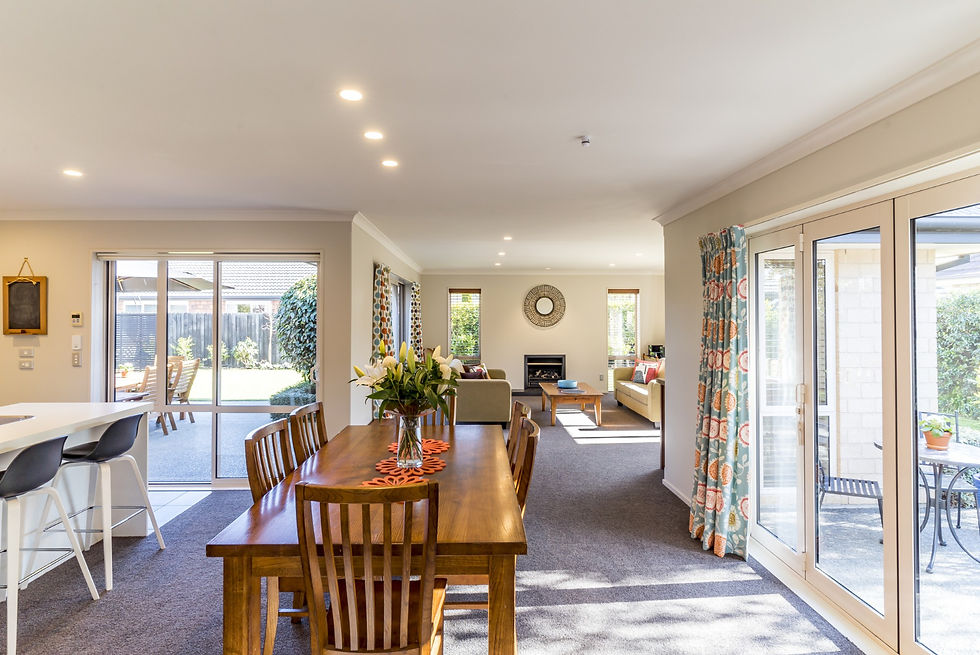
Home extensions are a popular way to add extra space. It adds value to your home, and in Romford, there are several types to consider depending on your needs and property layout. Here’s a clear guide to the most common types of home extensions in Romford.
1.Single-Storey Extensions
Single-storey extensions are often built at the rear or side of a home. They add more living space, such as a larger kitchen, dining room, or lounge area. These extensions are popular because they don’t change the height of your home but give you more room to enjoy. They can also include features like skylights or open-plan designs to let in natural light, making the new space feel bright and welcoming.
2.Double-Storey Extensions
If you want to add significant space, a double-storey extension builds up two floors. While giving you extra bedrooms or bathrooms without losing garden space. This is great for growing families who need more room but want to keep their outdoor area. Double-storey extensions usually need more planning and budget. It provides excellent value and space.
3.Side Return Extensions
A side return extension uses the narrow space alongside your home, often under the existing roofline, to create extra space. It’s a clever way to gain more room without changing the home's overall shape much. This type of extension is common in Romford and can make a big difference in the kitchen or living area.
4.Wrap-Around Extensions
A wrap-around extension combines rear and side extensions, forming an “L” shape around the corner of your home. This style maximises space by extending the back and sides of the property, often creating a large, open-plan living area that lets in plenty of light and improves flow between rooms.
5.Over-Structure Extensions
These extensions add new rooms above existing parts of your house, such as a garage or single-storey extension. Over-structure extensions are smart for homes with limited garden space because they let you build upwards rather than outwards. They can provide extra bedrooms, bathrooms, or even home offices.
6.Loft Conversions
Though technically distinct from home extensions, loft conversions are often included when discussing adding space. Converting your attic into a bedroom or study is a cost-effective way to increase space without extending your home’s footprint. Many Romford homeowners choose to have a loft conversion to add value and functionality.
7.Conservatory Extensions
For a light, airy feeling, conservatories add glass walls and roofs, creating a sunny space usually attached to the rear of the house. They are ideal for those who love garden views and natural light and want an inviting space to sit or dine.
Benefits of Home Extensions in Romford
Building a home extension means you don’t need to move, saving the hassle and cost of selling and buying a new home. Extensions add value to your property and improve your living space to suit your lifestyle better—whether you want a bigger kitchen, playroom, office, or extra bedrooms.
Home extensions in Romford not only increase your living space but can also add significant value to your property. Costs vary widely depending on the size, design, and quality of materials used. On average, a single-storey extension may cost between £1,500 and £2,500 per square meter, including labor and materials.
Final Thoughts
Working with an experienced team of Home Extensions in Romford ensures your extension fits the local building regulations and suits your home’s style. Whether you choose a simple single-storey extension or a more complex double-storey wrap-around, you can enjoy extra space that meets your family’s changing needs.
Planning your home extension carefully will create a more comfortable, valuable, and enjoyable home for years to come.

Comments